Butterfree: A Sweet Handwritten Font for Modern Creativity
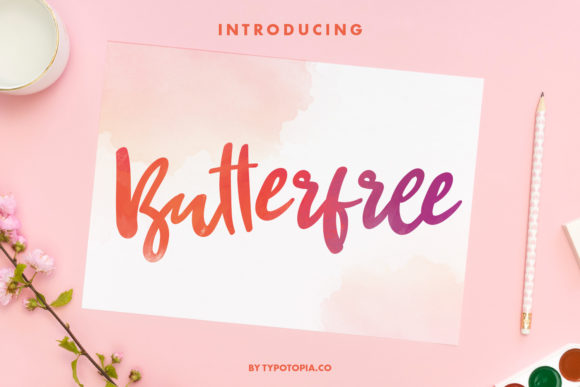
In a digital landscape often dominated by rigid grids and sterile sans-serif typefaces, finding a font that balances approachability with professional polish can be challenging. Butterfree emerges as a distinct solution for designers and content creators seeking to inject personality into their work without sacrificing readability. Described as a casual and sweet handwritten font, it possesses a lovely flow that transforms standard text into something more intimate and engaging.
This evaluation explores the practical applications of Butterfree, analyzing its structural qualities, versatility across different media, and suitability for various professional contexts. Whether you are a freelancer designing a brand identity or an educator creating course materials, understanding the nuances of this typeface is essential for making informed design decisions.
Understanding the Design Philosophy
The core appeal of Butterfree lies in its ability to mimic the organic imperfections of human handwriting while maintaining the legibility required for commercial use. Unlike many script fonts that prioritize artistic flair over function, Butterfree strikes a balance that makes it suitable for a wider range of projects. The "casual" aspect of its design suggests a relaxed attitude, perfect for softening the tone of corporate communications or adding warmth to marketing campaigns.
The term "sweet" in its description refers to the rounded terminals and gentle curves found throughout the character set. These features prevent the font from feeling harsh or overly aggressive, making it an excellent choice for brands that want to appear friendly and accessible. For professionals working in sectors like lifestyle, wellness, or education, this tonal shift can be significant. It allows the content to feel less like a broadcast and more like a conversation.
Furthermore, the "lovely flow" mentioned in its profile is not merely aesthetic; it influences how the eye moves across a line of text. In well-designed typography, the rhythm of the letters guides the reader naturally. Butterfree achieves this through consistent stroke weights and thoughtful spacing between characters. This ensures that even when used for longer paragraphs, the text does not become visually fatiguing.
Key Characteristics and Structural Integrity
When evaluating any typeface for long-term use, consistency is paramount. Butterfree demonstrates a high level of uniformity in its letterforms. While it mimics handwriting, it avoids the erratic fluctuations that can make some scripts difficult to read at smaller sizes. The x-height—the height of lowercase letters—is generous, contributing to immediate clarity.
- Natural Variation: The font includes subtle variations in stroke thickness that simulate the pressure of a pen on paper, adding depth without cluttering the design.
- Legible Punctuation: Many handwritten fonts struggle with punctuation marks, which can look disjointed. Butterfree integrates commas, periods, and quotation marks seamlessly, ensuring they complement the letters rather than distracting from them.
- Ligatures and Alternates: To enhance the handwritten feel, the font likely offers contextual ligatures where letters connect smoothly. These features allow designers to customize the look of specific words, adding a layer of bespoke quality to the output.
The reliability of these structural elements means that Butterfree can be trusted in complex layouts. It does not require excessive manual adjustment to look cohesive, which saves valuable time during the production process.
Practical Applications in Professional Settings
The utility of a font is best understood through its application. Butterfree is not limited to niche creative projects; it has broad applicability across several industries. Its primary strength is its ability to brighten up each of your creative ideas, serving as a visual anchor that draws attention without overwhelming the message.
Branding and Identity
For small business owners and entrepreneurs, establishing a unique voice is critical. A logo or brand mark using Butterfree can instantly convey a sense of craftsmanship and personal care. Imagine a boutique bakery, a handmade jewelry shop, or a local coffee roaster using this font. The casual nature of the typeface aligns perfectly with businesses that pride themselves on being artisanal or community-focused. It signals to the customer that there is a human behind the product, fostering trust and connection.
However, caution is advised when applying it to corporate identities that require a more formal tone. While it can be used for taglines or secondary headlines to add a touch of whimsy, relying on it for primary body text in a financial or legal context might undermine the perceived authority of the brand.
Digital Content and Marketing
In the realm of digital marketing, engagement is key. Bloggers and publishers often struggle with keeping readers' attention on screen-based content. Using Butterfree for pull quotes, headers, or call-to-action buttons can break up the monotony of standard block text. The "lovely flow" of the font encourages the eye to linger, potentially increasing dwell time on a page.
Social media managers will find particular value in this typeface. Graphics for Instagram, Pinterest, or LinkedIn often benefit from the warm, inviting aesthetic that Butterfree provides. When paired with clean sans-serif fonts for the main copy, it creates a sophisticated contrast that looks modern yet timeless.
Educational Materials
Educators and instructional designers face the challenge of making learning materials engaging. Textbooks and worksheets that look too rigid can discourage students. Incorporating Butterfree into lesson plans, certificates, or presentation slides can make the material feel more approachable. The sweetness of the font helps reduce anxiety around complex topics, creating a psychological environment conducive to learning.
Usability and Workflow Considerations
From a technical standpoint, the integration of Butterfree into a workflow should be straightforward. Most modern web and print environments support OpenType features, which allow for advanced typographic control. If you are a developer, you can leverage CSS variables to ensure the font loads efficiently, maintaining performance metrics while delivering high-quality visuals.
One important consideration is scalability. Handwritten fonts can sometimes lose detail when scaled down significantly. Before committing to Butterfree for a project involving small print runs or mobile interfaces, it is advisable to test the legibility at various sizes. While the font is designed for clarity, ensuring that the fine details remain visible is a necessary step in the quality assurance process.
Additionally, consider the file size. High-quality variable fonts offer flexibility in weight and style without requiring multiple files, which is beneficial for web performance. If Butterfree is available as a variable font, it would be the preferred format for responsive design projects, allowing the type to adapt dynamically to different screen widths.
Potential Limitations
No single typeface is a universal solution. The very qualities that make Butterfree charming—its casualness and flow—can be drawbacks in specific scenarios. For instance, in data-heavy presentations or technical documentation, the organic shapes may compete with numerical data, reducing readability. Similarly, if the target audience includes individuals with dyslexia or other reading difficulties, the slight irregularities inherent in handwriting styles might pose challenges compared to highly structured, neutral typefaces.
Designers must also be mindful of cultural context. While "sweet" and "casual" are generally positive descriptors, they may not resonate with all demographics. A global campaign targeting a conservative demographic might require a more neutral approach. Therefore, testing the font with a sample of the intended audience is always recommended before finalizing a design direction.
Long-Term Value and Strategic Fit
Investing in a font like Butterfree is about more than just aesthetics; it is about strategic communication. In a market saturated with generic templates, a custom or distinctive typeface can differentiate a brand. The timelessness of a well-executed handwritten style often outlasts fleeting trends, offering long-term value to the user.
For freelancers and agencies, having a curated library of versatile fonts like this expands their service offerings. They can confidently pitch projects that require a personal touch, knowing they have a reliable tool to execute the vision. The consistency of the font ensures that whether it is used on a business card, a website banner, or a packaging label, the brand remains cohesive.