Cartoen Font Duo: Elevating Vintage Aesthetics in Modern Design
In a digital landscape saturated with clean lines, geometric minimalism, and sterile sans-serif typefaces, there is a distinct craving for warmth, character, and history. This shift in user expectation has paved the way for typography that tells a story before a single word is read. Enter Cartoen Font Duo, a versatile pairing designed to bridge the gap between nostalgic charm and contemporary functionality. Unlike generic retro fonts that often feel dated or difficult to read on screens, Cartoen offers a sophisticated solution for creators who want to evoke a specific era without sacrificing legibility or professional polish.
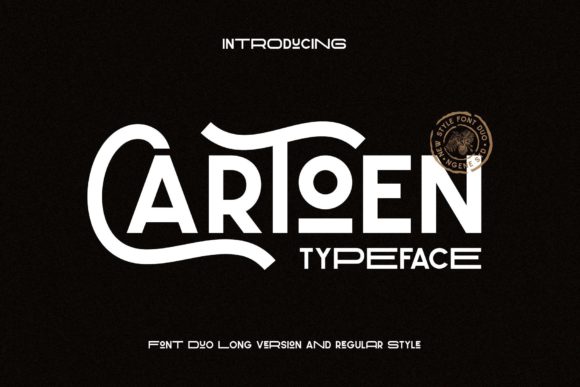
The resurgence of vintage aesthetics is not merely a fleeting trend; it is a response to the increasing complexity of modern life. As our screens become more uniform, we seek visual anchors that feel tactile and human. Cartoen is a font duo long version with regular style, providing a robust foundation for projects that require both impact and readability. Whether you are a brand strategist redefining a legacy company or an independent artist launching a merchandise line, understanding how to leverage this specific typographic tool can significantly elevate the perceived value of your work.
Understanding the Anatomy of Cartoen
To appreciate the utility of Cartoen Font Duo, one must first look at its structural integrity. Typography is rarely about a single file; it is about the relationship between different weights, widths, and styles. The "Duo" aspect of this font family suggests a complementary pairing, likely combining a display-style header font with a highly functional body text option. This duality is crucial for modern workflows where designers cannot afford to juggle multiple disparate families to achieve a cohesive look.
The long version mentioned in the font's description implies extended glyphs or specific stylistic alternates that allow for unique spacing and flourishes. In vintage design, the space between letters (kerning) and the length of strokes often define the mood. A standard font might feel too cramped or too loose for a 1970s-inspired poster, but the long version of Cartoen provides that breathing room essential for authentic retro aesthetics. Meanwhile, the regular style ensures that when the design needs to ground itself—perhaps in a paragraph of text or a detailed specification—the type remains approachable and easy to scan.
This balance is what makes the font relevant today. We have moved past the era where "vintage" meant unreadable script over a busy background. Today's audience expects instant clarity. They want the nostalgia, but they do not want to struggle to understand the message. Cartoen solves this by offering a structure that respects historical form while adhering to modern legibility standards.
Why Vintage Design is Making a Strategic Comeback
The current market preference leans heavily towards authenticity. Consumers, particularly those aged 25 to 45, are increasingly skeptical of hyper-polished, AI-generated perfection. They crave brands that feel established, handcrafted, and genuine. This psychological shift has made vintage typography a powerful business asset rather than just a decorative choice.
When a logo utilizes a font like Cartoen, it signals heritage. It suggests that the business has been around long enough to have a history, even if it is a new startup. For entrepreneurs and small business owners, this is a cost-effective way to build trust. A badge or a label printed on clothing or packaging using this font immediately communicates quality and attention to detail. It separates a product from the sea of mass-produced items that rely on generic Helvetica or Arial.
Furthermore, the evolution of printing technology allows for the high-fidelity reproduction of these intricate typefaces. What once required expensive letterpress setups can now be rendered digitally with precision. This accessibility means that the "vintage look" is no longer reserved for high-budget campaigns. Freelancers and hobbyists can now produce materials that rival corporate branding, provided they choose the right tools. Cartoen serves as that essential tool, democratizing access to premium aesthetic standards.
Practical Applications Across Creative Industries
The versatility of Cartoen Font Duo extends far beyond simple text overlays. Its design philosophy aligns perfectly with several key areas of creative production where distinct visual identity is paramount.
- Logos and Branding: A logo needs to be memorable and scalable. The strong, long version of Cartoen works exceptionally well for primary logotypes, offering a bold statement that captures attention. When paired with the regular style for taglines or subtext, it creates a hierarchy that guides the viewer's eye naturally. This is ideal for coffee shops, craft breweries, and boutique retailers looking to establish a warm, inviting atmosphere.
- Badges and Emblems: Badges often feature circular or shield-like layouts where text must curve or fit into tight spaces. The extended nature of the long version allows for elegant arcs and curves that maintain their shape without distortion. For educational institutions or certification programs, a badge featuring Cartoen conveys authority and tradition.
- Clothing and Merchandise: The fashion industry relies heavily on typography to convey subculture and attitude. Whether it is a streetwear t-shirt or a vintage-inspired dress, the font adds texture to the fabric. The contrast between the bold display elements and the clean regular style allows for complex graphic designs that remain readable even when viewed from a distance.
- Posters and Event Materials: In the age of digital advertising, physical posters still hold immense power. A concert flyer or an art exhibition poster designed with Cartoen stands out in a feed dominated by flat, colorful graphics. The vintage aesthetic evokes a sense of exclusivity and event-driven urgency, encouraging people to engage with the content offline.
Navigating Trends Without Sacrificing Timelessness
One of the most common challenges for professionals is balancing trendiness with longevity. Using a font that is currently "in vogue" can date a project within a year. However, Cartoen taps into a timeless aesthetic rooted in mid-20th-century design principles. These principles have survived decades because they prioritize function alongside form.
By incorporating Cartoen into your workflow, you are not chasing a micro-trend; you are adopting a classic style that adapts to modern contexts. For example, a blog post written by an educator using this font for headings will feel more curated and less algorithmic than one using default system fonts. It shows a deliberate choice was made to enhance the reading experience.
For marketers, this means higher engagement rates. Users spend more time consuming content that feels visually pleasing and well-crafted. The subtle variations in the letterforms of Cartoen invite the eye to linger, creating a deeper connection with the brand message. This is particularly effective in email marketing campaigns, newsletters, and social media graphics where capturing attention in a split second is critical.
Integrating Cartoen into Your Workflow
Implementing Cartoen Font Duo requires a strategic approach to ensure it enhances rather than overwhelms your design. The key lies in restraint and context. While the long version is striking, it should generally be reserved for headlines, titles, and focal points. Overusing the display style can lead to visual fatigue and clutter.
Start by defining the tone of your project. If the goal is to communicate reliability and history, let the Cartoen logo take center stage. Use the regular style for all supporting information, ensuring that the contrast in weight and width creates a clear visual path for the reader. This separation of duties is what makes the "Duo" so effective; it provides two voices that speak to each other harmoniously.
For developers and web designers, consider the loading times and compatibility. Modern web fonts are optimized for performance, but it is always wise to test the rendering across different devices. Ensure that the kerning holds up on mobile screens, where space is at a premium. The long version might need slight adjustments in tracking to fit narrow columns, demonstrating that even the best fonts require thoughtful application.
Ultimately, the value of Cartoen Font Duo lies in its ability to transform ordinary projects into extraordinary ones. It offers a shortcut to sophistication, allowing creators to bypass the trial-and-error phase of finding the perfect typeface. By choosing a font that understands the nuances of vintage design while respecting modern constraints, you position your work at the intersection of art and commerce.
Whether you are designing a badge for a local charity, a poster for a music festival, or a full brand identity for a new clothing line, the decision to use Cartoen is a decision to prioritize quality. It is a reminder that in a world of infinite choices, the right font can make all the difference. As the creative landscape continues to evolve, those who embrace tools like Cartoen will find themselves better equipped to tell stories that resonate, endure, and inspire.