Embracing the Artistic Flow of Honuzima in Modern Design
In a digital landscape saturated with rigid grids, standardized sans-serifs, and algorithmically generated layouts, there is an increasing demand for authenticity. Designers, educators, and business owners are seeking ways to inject human warmth into their communications. This is where Honuzima enters the conversation. It is not merely a typeface; it is a tool for storytelling that captures the spontaneous energy of ink on paper. Created with the help of a brush pen, this flowing and elegant handwritten font offers a unique aesthetic that bridges the gap between professional polish and personal expression.
The Essence of Brush Pen Typography
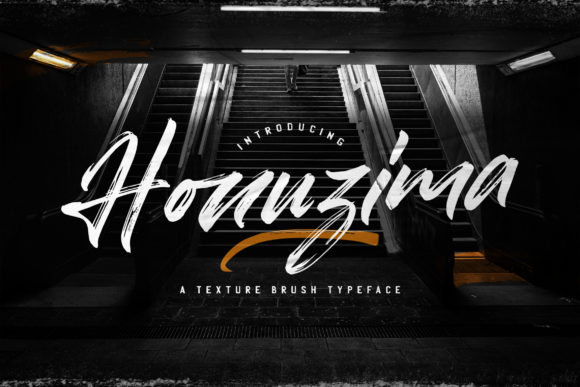
To understand the value of Honuzima, one must first appreciate the medium from which it was born. Traditional calligraphy and brush lettering rely on pressure, speed, and angle to create variation within a single character. Unlike vector-based fonts that maintain uniform stroke widths, brush fonts mimic the organic inconsistencies of real-world artistry. Honuzima captures this essence by replicating the fluid dynamics of a brush stroke, resulting in letters that appear to have been written in a single, confident motion.
This characteristic makes it distinct from standard handwriting fonts that often look like printed cursive or childish scrawl. The elegance of Honuzima lies in its ability to convey sophistication while maintaining a casual, approachable vibe. For professionals looking to elevate brand identity without losing the human touch, this font provides a versatile solution. Whether used for a luxury wedding invitation or a modern tech blog header, the underlying texture adds a layer of depth that flat typography simply cannot achieve.
Visual Dynamics and Stroke Variation
The visual appeal of this typeface is driven by its dynamic stroke width. In Honuzima, thick downstrokes contrast beautifully with delicate upstrokes, creating a rhythm that guides the reader's eye across the page. This variation mimics the natural movement of a hand holding a flexible nib. When applied to headlines, these variations create immediate visual interest, breaking the monotony of block text. The result is a design that feels alive and responsive to the content it carries.
Furthermore, the ligatures and connecting strokes in Honuzima are designed to flow naturally. They do not feel forced or artificial but rather suggest a continuous line of thought. This continuity is crucial for designs that aim to evoke emotion. A logo or a tagline set in this font can instantly communicate creativity, passion, and attention to detail, qualities that are highly valued in today's competitive market.
Practical Applications Across Industries
The versatility of Honuzima allows it to transcend specific niches, making it a valuable asset for a broad spectrum of users. From corporate branding to educational materials, the applications are as diverse as the audiences they serve. Understanding where this font shines best can help creators maximize its potential in their workflows.
- Branding and Identity: For small businesses and startups, establishing a memorable identity is paramount. Honuzima serves as an excellent choice for logos, wordmarks, and packaging. Its handwritten quality suggests artisanal craftsmanship and personalized service, which resonates well with consumers seeking authentic connections over mass-produced goods.
- Editorial and Publishing: Editors and authors often struggle to make long-form content feel engaging. Using Honuzima for pull quotes, chapter headings, or drop caps can break up dense text and invite the reader deeper into the narrative. It adds a layer of intimacy to articles, essays, and books, making the reading experience feel more like a conversation than a lecture.
- Digital Marketing: In the realm of social media and email marketing, grabbing attention is half the battle. Headers created with Honuzima stand out in crowded feeds. The unique style ensures that promotional materials do not get lost among generic templates. It is particularly effective for lifestyle brands, food blogs, and creative agencies.
- Event Design: Weddings, conferences, and workshops require materials that reflect the tone of the event. Honuzima is ideal for invitations, signage, and programs. Its elegant flow sets a sophisticated yet welcoming atmosphere, perfect for events that celebrate community and connection.
Case Studies in Creative Implementation
Consider a scenario where a local coffee shop wants to rebrand to emphasize their commitment to ethically sourced beans and barista expertise. By incorporating Honuzima into their menu board and loyalty cards, they signal a dedication to craft. The font's imperfections mirror the imperfections of nature, reinforcing the message of organic sourcing. Similarly, an educator might use this font for lesson plan headers or student certificates. The handwritten style validates the effort put into the material, showing students that their work is viewed through a personal lens rather than a bureaucratic one.
Another compelling use case involves digital product designers working on mobile applications. While body text should remain legible and neutral, using Honuzima for onboarding screens or success messages can delight users. It transforms a functional interaction into an emotional moment, enhancing user retention and satisfaction. The key is strategic placement; the font should act as an accent, guiding the user's focus without overwhelming the interface.
Strategic Considerations for Professional Use
While the aesthetic benefits of Honuzima are clear, integrating it effectively requires a thoughtful approach. Design is about balance, and introducing a highly stylized element like a brush pen font demands careful management of hierarchy and readability. Professionals must consider the context in which the font will be displayed to ensure it enhances rather than detracts from the message.
Legibility is Paramount. Because Honuzima features connected strokes and variable thickness, it can sometimes be challenging to read at small sizes or in all-caps formats. It is generally recommended to reserve this font for display purposes, such as headlines, titles, and short phrases. Body copy should be paired with a clean, neutral sans-serif or serif typeface that provides a stable foundation for the text. This pairing creates a harmonious contrast where the elegance of Honuzima stands out against the clarity of the supporting font.
Color and Contrast also play a significant role in how the font is perceived. Since the strokes vary in weight, high-contrast color combinations can highlight the texture of the letters. However, low-contrast pairings, such as dark gray on off-white, can create a softer, more subtle effect suitable for minimalist designs. Designers should experiment with opacity and blending modes to see how the font interacts with backgrounds and images.
- Avoid Overuse: One of the most common mistakes is using a decorative font too frequently. If every sentence is written in a script style, the design becomes chaotic and difficult to parse. Limit Honuzima to key focal points to maintain its impact.
- Test Across Devices: Digital consumption happens on various screen sizes. Ensure that the fine details of the brush strokes remain visible on mobile devices. Sometimes, reducing the size of the font can cause the thin strokes to disappear entirely, so testing is essential before finalizing a layout.
- Contextual Relevance: Not every project benefits from a handwritten look. Technical manuals, legal documents, and data-heavy reports require strict neutrality. Honuzima is inappropriate for these contexts where precision and formality are the primary goals.
The Psychology of Handwritten Fonts
Why does Honuzima resonate so strongly with audiences? The answer lies in the psychology of typography. Humans are wired to recognize handwriting as a sign of individuality. When we see text that looks like it was written by a person, we subconsciously attribute human qualities to the source. This phenomenon, known as the "personalization effect," increases trust and engagement. In an era of AI-generated content and automated responses, the presence of a handwritten font like Honuzima signals that a real human has curated the message.
This psychological connection is particularly powerful for hobbyists and creators who want to share their passion projects. A blog post about gardening, a tutorial on pottery, or a review of handmade crafts gains credibility when presented with a font that reflects the tactile nature of the subject matter. Honuzima acts as a visual metaphor for the hands-on process involved in these activities, creating an immediate rapport with the audience.
Building a Cohesive Visual Language
For businesses and researchers, building a cohesive visual language is essential for brand recognition. Honuzima can serve as the anchor of a custom type system. By combining it with a robust family of geometric sans-serifs, organizations can create a unique voice that is both modern and timeless. This combination allows for flexibility; the sans-serif handles the heavy lifting of information delivery, while Honuzima adds personality to the highlights.
When designing a style guide, it is important to define specific rules for the usage of Honuzima. Determine the appropriate sizes, weights, and colors. Establish guidelines for kerning and leading to ensure consistency across all platforms. These rules ensure that whether the font is used on a billboard, a business card, or a website footer, it maintains its integrity and impact.
Future Trends in Custom Typography
The design industry is moving towards more expressive and customizable typography. As tools become more accessible, the demand for fonts that offer unique character sets and stylistic alternates is growing. Honuzima fits perfectly into this trend, offering a blend of traditional artistry and modern functionality. Future iterations of design software may allow even greater control over the parameters of brush fonts, enabling users to tweak stroke pressure and flow dynamically.
For creators and educators, staying ahead of these trends means being open to experimenting with new tools. Incorporating fonts like Honuzima into digital portfolios, presentation decks, and online courses can differentiate content in a crowded marketplace. As remote work and digital learning continue to evolve, the need for visually engaging and emotionally resonant communication will only increase.
Ultimately, the power of Honuzima lies in its ability to transform the mundane into the meaningful. It reminds us that behind every design decision is a human intent. By choosing to integrate this flowing and elegant handwritten font into your projects, you are making a statement about the value of creativity, authenticity, and the enduring beauty of the written word. Whether you are a seasoned graphic designer or a passionate hobbyist, Honuzima offers a canvas for your ideas to take flight, proving that sometimes the most effective way to speak is to write by hand.
As you explore your next design project, consider how the characteristics of Honuzima can enhance your message. Let the brush pen inspire your workflow, and watch as your designs gain a new level of depth and character. The intersection of technology and tradition is where true innovation happens, and Honuzima is a bridge to that exciting frontier.