Forsty Candy: A Practical Evaluation of a Handwritten Display Font
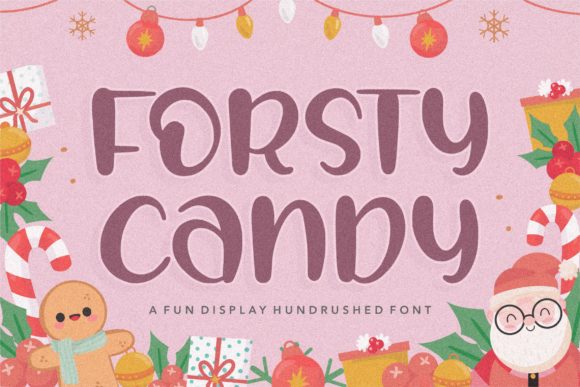
Selecting the right typography is rarely about finding the single "best" option; it is about identifying the specific tool that aligns with a project's emotional tone and functional requirements. Forsty Candy enters this crowded landscape not as a generic utility typeface, but as a distinct artistic statement. It is a fun and festive handwritten font designed to capture attention through its unique character. Its sweet and well-rounded letters make this font a work of art, offering a visual texture that standard sans-serifs or rigid serifs simply cannot replicate.
However, before integrating Forsty Candy into a design workflow, professionals must evaluate its versatility against practical constraints. While the aesthetic appeal is undeniable, understanding where this typeface shines—and where it might falter—is crucial for creating spectacular designs that resonate with the intended audience. This analysis explores the nuances of Forsty Candy, comparing its stylistic approach to broader categories of display fonts and helping designers determine if it fits their specific creative needs.
The Distinctive Character of Forsty Candy
At its core, Forsty Candy distinguishes itself through a deliberate departure from mechanical precision. The font mimics the fluidity of hand-lettering while maintaining the structural consistency required for digital use. The sweet and well-rounded letters create an immediate sense of approachability and warmth. Unlike sharp, angular script fonts that can feel aggressive or overly formal, Forsty Candy invites the viewer in with soft curves and playful proportions.
This distinctiveness stems from its construction. The strokes vary in weight in a way that feels organic, yet the x-height remains consistent enough to ensure legibility at moderate sizes. This balance makes it incredibly versatile. Designers often struggle to find fonts that are both decorative and readable, but Forsty Candy occupies a middle ground that allows for impactful headlines without sacrificing clarity. The incredibly versatile style means it can adapt to various contexts, provided the surrounding design elements support its whimsical nature.
When you look closely at the letterforms, you see a level of detail that elevates the text beyond mere communication. It becomes a visual element in itself. This quality is what transforms a simple label or banner into a piece of art. However, this artistic intent comes with a caveat: it demands respect in terms of spacing and pairing. Because the letters are so expressive, they require breathing room to avoid looking cluttered or overwhelming.
Navigating the Landscape of Display Typography
To truly understand the value of Forsty Candy, it helps to compare it with the broader category of display and script fonts. The market is saturated with options ranging from rigid brush scripts to delicate calligraphy styles. Most of these alternatives fall into two camps: those that prioritize strict legibility (often losing personality) and those that prioritize artistic flair (often sacrificing readability).
- Standard Script Fonts: Many traditional script fonts attempt to mimic cursive writing. They often rely on complex ligatures and varying stroke widths that can break down at smaller sizes or on low-resolution screens. Forsty Candy avoids some of these pitfalls by simplifying the connection between letters while retaining the handwritten charm.
- Brush and Marker Styles: These fonts are popular for their energy and movement. However, they can sometimes feel too chaotic or inconsistent for professional branding. Forsty Candy offers a more controlled version of this energy, providing the "fun and festive" vibe without the risk of appearing messy or unprofessional.
- Geometric Sans-Serifs: When designers need a clean, modern look, they turn to geometric fonts. While efficient, these lack the human touch that Forsty Candy provides. Choosing Forsty Candy is a strategic decision to inject humanity and emotion into a design that might otherwise feel cold or corporate.
The comparison reveals that Forsty Candy serves a specific niche. It is not a replacement for a body text font, nor is it a direct competitor to high-end luxury serif families. Instead, it fills the gap for projects that need to communicate joy, creativity, or nostalgia. It sits comfortably alongside other festive types but stands out due to its rounded, candy-like aesthetic.
Evaluating Strengths and Tradeoffs
No typeface is without limitations, and Forsty Candy is no exception. Understanding its strengths and tradeoffs is essential for making an informed decision. The primary strength lies in its ability to grab attention immediately. In a digital environment where users scan content rapidly, the unique shape of the letters ensures that headlines using Forsty Candy stop the scroll.
The sweet and well-rounded letters also offer excellent scalability within certain limits. Because the forms are bold and open, they tend to hold up well when resized for banners or posters. This makes it a robust choice for marketing materials where impact is the priority. Furthermore, the font's friendly nature makes it ideal for brands targeting families, children, or lifestyle niches where trust and warmth are key selling points.
However, there are significant tradeoffs to consider. The most notable limitation is legibility in extended text blocks. The decorative nature of the font, combined with its rounded terminals, can cause eye fatigue if used for paragraphs or long-form content. It is strictly a display typeface. Attempting to use it for body copy would undermine the reading experience and likely alienate readers who expect clear, neutral text for information consumption.
Another tradeoff involves color reproduction. The intricate details of the handwritten style may get lost when printed on cheap paper or rendered in small pixel counts. Designers must test Forsty Candy across different media to ensure the "artistic" qualities remain intact. Additionally, because the font has such a strong personality, it can dominate a layout if not paired correctly. If the goal is a minimalist, understated design, Forsty Candy will likely clash with the overall vision.
Strategic Fit and Decision Factors
Determining whether Forsty Candy is the right choice depends heavily on the context of the project. There are specific scenarios where this font excels, and others where it should be avoided. By analyzing these use cases, designers can better evaluate the resource allocation and potential return on investment for their typography choices.
Best-Fit Situations:
- Festive and Seasonal Campaigns: As the name implies, Forsty Candy is perfectly suited for holiday promotions, birthday invitations, and seasonal sales. The fun and festive handwritten font style naturally complements themes of celebration and joy.
- Food and Beverage Branding: Products like candies, baked goods, ice cream, or artisanal snacks benefit from the sweet, rounded aesthetic. The font reinforces the sensory experience of the product, making it taste "better" just by association.
- Lifestyle and Creative Blogs: Personal blogs or social media graphics that focus on hobbies, crafts, or lifestyle tips often require a warm, inviting voice. Forsty Candy provides this voice effectively, encouraging engagement and a sense of community.
- Event Signage: For weddings, parties, or workshops, the font adds a personal touch that feels handmade rather than mass-produced.
When to Choose Another Option:
Conversely, there are times when Forsty Candy is the wrong tool for the job. If the project requires conveying authority, seriousness, or technical precision, this font should be avoided. It is ill-suited for financial reports, legal documents, medical websites, or corporate annual reviews. In these contexts, the playful nature of the font could undermine credibility and confuse the audience.
Similarly, if the design language is strictly brutalist or industrial, the soft curves of Forsty Candy will create a jarring dissonance. In such cases, a more structured, geometric, or monospaced font would be a more appropriate choice. The key is to match the typography to the brand's core values. If the brand is about innovation and speed, Forsty Candy might slow the perception down too much. If the brand is about comfort and tradition, it might be a perfect fit.
Making the Final Choice
Ultimately, selecting a font is an exercise in balancing aesthetics with functionality. Forsty Candy offers a compelling option for designers looking to add a layer of personality and artistry to their work. Its incredibly versatile style allows it to bridge the gap between playful and professional, provided it is used with intention.
When evaluating options, it is helpful to ask: Does this font enhance the message, or does it distract from it? Forsty Candy enhances messages related to joy, creativity, and sweetness. It distracts from messages requiring neutrality and formality. By keeping these distinctions in mind, designers can leverage the unique qualities of the font to create spectacular designs that stand out in a crowded marketplace.
The decision to use Forsty Candy should not be made lightly, but neither should it be dismissed as merely decorative. When integrated thoughtfully, it serves as a powerful communication tool that resonates emotionally with the audience. Whether for a holiday campaign, a boutique product line, or a creative portfolio, this font offers a distinctive visual identity that can elevate a project from ordinary to memorable.