Free Font: A Balanced Evaluation for Modern Design Projects
In the expansive landscape of digital typography, selecting the right typeface is often a critical decision that defines the visual identity of a project. Free has emerged as a notable option for designers seeking a blend of contemporary structure and playful character. Described as a cool and fun display font with a modern yet whimsical style, it promises to immerse designs into a magical world. However, before committing to this typeface for a specific application, it is essential to understand its technical attributes, aesthetic limitations, and ideal use cases.
Understanding the Character of Free
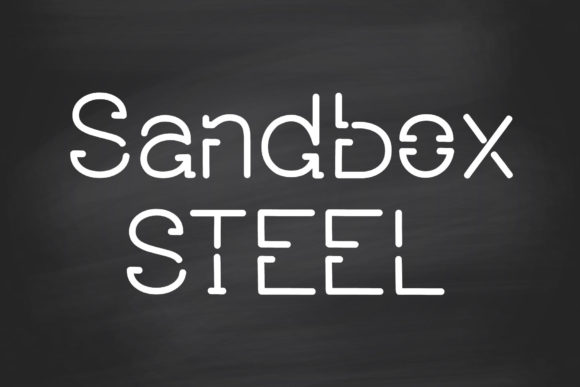
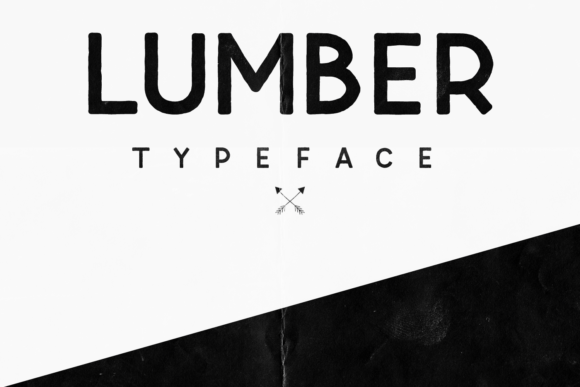
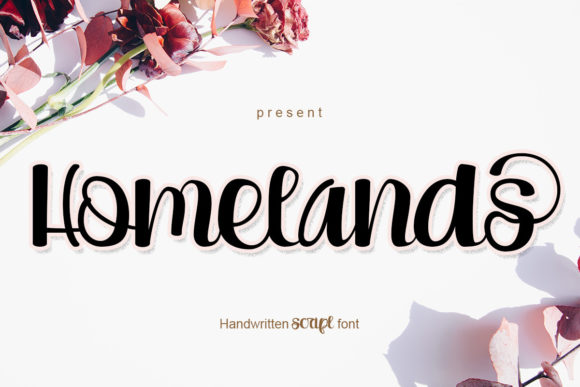
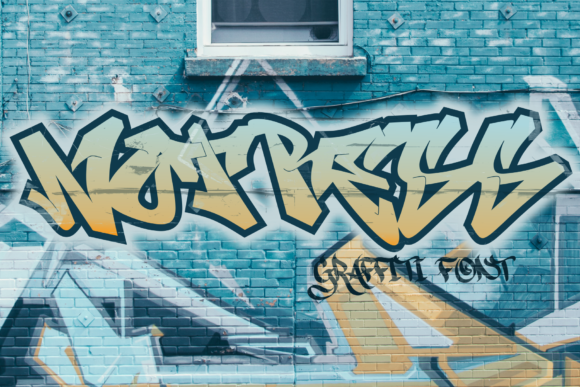
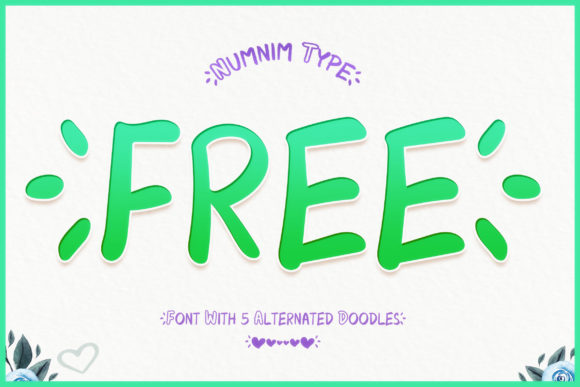
Free is categorized primarily as a display font. This classification indicates that it is designed for large sizes rather than extended body text. Its design language merges clean, modern lines with whimsical flourishes. The "modern" aspect suggests a geometric foundation or a refined stroke contrast that aligns with current minimalist trends, while the "whimsical" nature introduces irregularities, rounded edges, or unique ligatures that evoke a sense of magic and playfulness.
The font's ability to create an immersive experience stems from its distinct personality. Unlike neutral sans-serifs that aim for invisibility, Free commands attention. It acts as a visual hook, drawing the viewer into the content through its inherent charm. When used correctly, it transforms standard layouts into engaging narratives, making it particularly effective for projects that require a touch of fantasy or lightheartedness without sacrificing readability at headline scales.
Reasons to Consider Free for Your Project
Designers evaluate fonts based on how well they communicate a brand's tone. There are several practical reasons why a professional might select Free over other options:
- Distinct Brand Identity: In crowded markets, a unique typeface helps a brand stand out. The whimsical style of Free allows businesses in creative industries, children's products, or lifestyle sectors to differentiate themselves immediately.
- Emotional Connection: The "magical world" quality mentioned in its description suggests an emotional resonance. If a project aims to evoke wonder, nostalgia, or joy, this font serves as a powerful tool to set that mood before the user even reads the message.
- Visual Hierarchy: Because it is a display font, it excels at establishing hierarchy. Using Free for headlines or key phrases creates a clear distinction between the primary message and supporting details, guiding the eye effectively.
- Creative Flexibility: Its modern underpinnings ensure that it does not feel dated. While whimsical, it avoids the pitfalls of looking like a novelty item from the 1980s, allowing it to fit comfortably in contemporary web and print designs.
Tradeoffs and Practical Considerations
While Free offers significant aesthetic benefits, it comes with inherent tradeoffs that must be weighed during the selection process. Understanding these limitations is crucial for avoiding design failures.
The most significant constraint is legibility at small sizes. As a display font, Free relies on intricate details and unique shapes that can become muddy or indistinguishable when scaled down. Attempting to use it for long-form body copy will likely result in reader fatigue and reduced comprehension. Designers must pair it with a highly readable, neutral sans-serif or serif font for paragraphs and smaller text elements.
Additionally, the whimsical nature of the typeface may clash with brands requiring a serious, corporate, or authoritative tone. A financial institution, a law firm, or a healthcare provider might find the "magical" vibe too informal for their core messaging. Overuse of such a distinctive font can also lead to visual clutter if not balanced with ample white space and restrained color palettes.
Ideal Use Cases for Free
To maximize the effectiveness of Free, it should be deployed in scenarios where its strengths align with the project goals. The following situations represent strong fits for this typeface:
- Event Branding: Posters, flyers, and social media graphics for festivals, parties, or creative workshops benefit greatly from the energetic and inviting nature of Free.
- Editorial Headlines: Magazine covers, blog post titles, and article headers can utilize the font to capture interest instantly, provided the body text remains simple.
- Product Packaging: For consumer goods targeting families, toys, confectionery, or artisanal crafts, the whimsical style adds value and shelf appeal.
- Landing Page Hero Sections: Large-scale hero banners on websites can leverage the font to make a bold first impression, setting the thematic stage for the rest of the page.
When to Seek Alternatives
Evaluation requires knowing when not to use a specific tool. There are several circumstances where alternatives to Free would be more appropriate:
If the project involves extensive reading material, such as an e-book, a technical manual, or a news site, a dedicated text family is necessary. Fonts like Helvetica, Roboto, or Merriweather offer superior readability and neutrality that Free cannot provide. Similarly, if the target audience spans multiple cultures or languages, the specific stylistic choices of Free might not translate well or support the necessary character sets.
Furthermore, if the design system requires strict consistency across various mediums (e.g., mobile apps, dashboards, and print), a more versatile variable font might be a better investment. Display fonts like Free often lack the weight variations and optical sizing required for responsive design environments.
Decision-Making Insights
Selecting Free is ultimately a strategic decision based on the balance between aesthetics and functionality. Before downloading or purchasing the font, designers should ask specific questions about their project requirements.
First, consider the context. Will the font be viewed on a high-resolution screen or printed on a business card? Ensure the file formats available support the intended output medium. Second, assess the audience. Does the target demographic respond positively to playful, magical themes, or do they prefer straightforward, utilitarian communication? Third, evaluate the complementary assets. Does the rest of your design palette support the whimsy of Free, or will it look disjointed?
Practical testing is the final step in this evaluation. Create mockups using both the display font for headlines and a neutral companion font for body text. Review these drafts at different sizes and distances. If the font loses its character or becomes difficult to read, it may not be the right choice despite its initial appeal.
Conclusion
Free stands out as a compelling option for designers looking to inject modernity and whimsy into their work. Its ability to immerse viewers in a magical world makes it a powerful asset for branding, marketing, and editorial design. However, its utility is confined to specific contexts where display capabilities are prioritized over body text readability. By carefully weighing its benefits against its limitations and ensuring it aligns with the project's broader goals, designers can make an informed decision that enhances their visual storytelling.
Whether you are launching a new creative venture or refreshing an existing brand, understanding the nuances of Free ensures that your typographic choices serve your content effectively. It is a tool for creating atmosphere, not just filling space, and when used with intention, it delivers a memorable and engaging user experience.