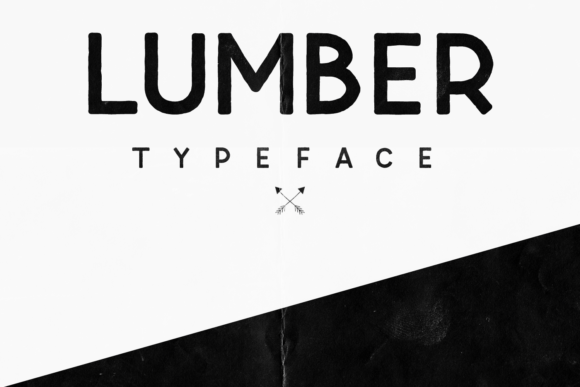
The Quirky Charm of Lumber: A Unique Display Font for Modern Design
In a digital landscape often dominated by clean, minimalist sans-serifs and highly structured serif fonts, finding a typeface that truly stands out can feel like searching for a needle in a haystack. This is where Lumber enters the conversation. It is not just another font; it is a unique and interesting display font that brings a specific kind of personality to any project. With its slightly quirky nature, Lumber offers designers and creators a tool that breaks the mold while remaining surprisingly versatile across a wide variety of contexts.
Whether you are a business owner looking to revamp your brand identity, a graphic designer seeking a fresh headline option, or a hobbyist creating content for social media, understanding the nuances of a font like Lumber is essential. This guide explores what makes this typeface special, how it functions in real-world scenarios, and why it might be the perfect fit for your next creative endeavor.
What Makes Lumber Different?
To understand the value of Lumber, one must first look at its character. Unlike standard geometric fonts that prioritize uniformity and neutrality, Lumber embraces imperfection. The name itself suggests something raw, natural, and perhaps a bit rustic, but the design goes beyond simple wood textures. It captures the essence of handcrafted materials through its letterforms.
The quirky aspect of Lumber is its defining feature. You will notice subtle variations in stroke weight and edge treatment that mimic the irregularities found in natural timber. These small details prevent the text from feeling sterile or machine-generated. Instead, it feels tactile and organic. When you use Lumber, you are essentially injecting a sense of warmth and authenticity into your design. This is particularly valuable in an era where consumers are increasingly drawn to brands that appear human-centric and genuine rather than corporate and distant.
Furthermore, the font's structure is designed to grab attention without sacrificing readability. While it is classified as a display font—meaning it is best used for headlines, titles, and short bursts of text rather than long paragraphs—it possesses a robust backbone that ensures clarity even at smaller sizes or on lower-resolution screens. This balance between style and function is what sets it apart from many novelty fonts that sacrifice legibility for aesthetics.
The Versatility of a Quirky Typeface
One of the most common misconceptions about unique fonts is that they are limited to niche applications. Many assume that a font with such a distinct personality would only work for specific themes, such as logging camps or vintage crafts. However, Lumber proves to be a great choice for a wide variety of contexts precisely because of its adaptability.
- Branding and Logos: For businesses in the artisanal food industry, woodworking shops, boutique coffee roasters, or craft breweries, Lumber provides an immediate visual cue of quality and tradition. It signals that the product is made with care.
- Editorial and Publishing: Magazine covers, book titles, and blog headers can benefit from the texture Lumber adds. It creates a focal point that draws the reader's eye immediately.
- Digital Marketing: In email campaigns and landing pages, a strong headline using Lumber can increase engagement rates. The font's personality helps cut through the noise of generic web design.
- Event Invitations: Whether for a rustic wedding, a music festival, or a community gathering, Lumber sets a tone that is welcoming yet distinctive.
The key to this versatility lies in pairing. Lumber works exceptionally well when contrasted with simpler, more neutral body fonts. By allowing Lumber to take center stage in headlines and supporting it with a clean sans-serif for the main content, designers can achieve a sophisticated hierarchy that guides the user's eye effectively.
Practical Applications and Real-World Scenarios
Imagine you are designing a promotional poster for a local farmers' market. You want to convey freshness, community, and the earthy origins of the produce. Using a standard Helvetica might feel too clinical. Introducing Lumber into the mix instantly transforms the mood. The rough edges of the letters evoke the soil and the hands that tend the crops. It tells a story before the viewer even reads the details.
Similarly, consider a startup in the tech space that wants to position itself as "human-first" or "disruptive." While tech companies often lean towards sleek, futuristic typography, a company wanting to emphasize innovation through creativity might choose Lumber for their hero section. The slight unpredictability of the font suggests that the company is thinking outside the box. It challenges the expectation of rigid technology and invites curiosity.
In the realm of e-commerce, product packaging is another area where Lumber shines. Imagine a line of handmade soaps or organic snacks. The packaging needs to stand out on a crowded shelf. A label featuring Lumber in bold, large print creates a sense of premium craftsmanship. Customers are more likely to pick up a product that looks like it was made by a person rather than a factory line.
Evaluating Suitability for Your Project
Before committing to Lumber for a major project, it is important to evaluate whether it aligns with your goals. Not every design needs a quirky element, and sometimes the right choice is to keep things understated. Here are a few questions to ask yourself:
- What is the emotional goal of the design? If you need to convey seriousness, authority, or strict professionalism (such as in legal documents or medical reports), Lumber might be too informal. However, if you want to evoke trust through approachability, it could be ideal.
- How will it be read? Remember that Lumber is a display font. Do not attempt to use it for long blocks of text. Its strength lies in impact, not endurance. Plan your layout so that it serves as a headline or a call-to-action.
- Does it match the medium? Consider the resolution and size of your final output. On a high-definition mobile screen, the intricate details of Lumber will shine. On a low-quality print job, those same details might get lost or appear muddy. Always test the font in its intended environment.
Additionally, consider the cultural context. While Lumber has a universal appeal, its rustic undertones might resonate differently depending on the audience. In some markets, "rustic" implies authentic and high-quality, while in others, it might suggest outdated or unpolished. Understanding your target demographic is crucial for making the right typographic choice.
Strengths, Limitations, and Best Practices
Every typeface comes with its own set of strengths and limitations. Recognizing these early on allows you to use the font to its full potential while avoiding common pitfalls.
Strengths:
The primary strength of Lumber is its ability to create instant atmosphere. It does the heavy lifting of setting the mood, allowing other design elements to focus on information delivery. It also pairs well with a vast array of other fonts, acting as a bridge between modern minimalism and traditional craftsmanship. Its uniqueness ensures that your designs will not blend in with competitors who are using the same ubiquitous Google Fonts libraries.
Limitations:
The main limitation is, once again, its specificity. Because it is so expressive, it can easily overpower a design if overused. Using Lumber for subheadings, captions, or body text can result in visual fatigue. Furthermore, accessibility should always be a consideration. Ensure that the contrast ratios remain high and that the letter spacing is sufficient to maintain legibility for all users, including those with visual impairments.
Best Practices:
To get the most out of Lumber, treat it like a spice. Use it sparingly to enhance the flavor of your design, not to dominate the entire dish. Pair it with ample white space to let the letters breathe. Experiment with different weights and styles if available, as mixing thick and thin versions of the font can create dynamic compositions. Finally, always proofread your work. The unique shapes of the letters can sometimes lead to misreading words, so double-checking is essential.
Conclusion: Embracing Character in Typography
In conclusion, Lumber represents a shift away from the homogenized look of modern web design toward something more textured and personal. It is a reminder that typography is not just about conveying information; it is about evoking emotion. By choosing a font that is unique and interesting, you signal to your audience that you have put thought and care into your communication.
Whether you are building a brand, creating a portfolio, or simply trying to make your online presence more memorable, Lumber offers a compelling solution. Its quirky charm and practical versatility make it a valuable addition to any designer's toolkit. As you move forward with your projects, consider how this font can help tell your story in a way that feels authentic, engaging, and distinctly yours.
For those interested in exploring more about how typography influences perception, or looking for resources to integrate Lumber into their workflow, there are countless communities and forums dedicated to design excellence. Embrace the quirks, experiment with the forms, and let your design speak with a voice that is truly your own.