Industrial: The Bold, Timeless Display Font That Brings Texture to Your Brand
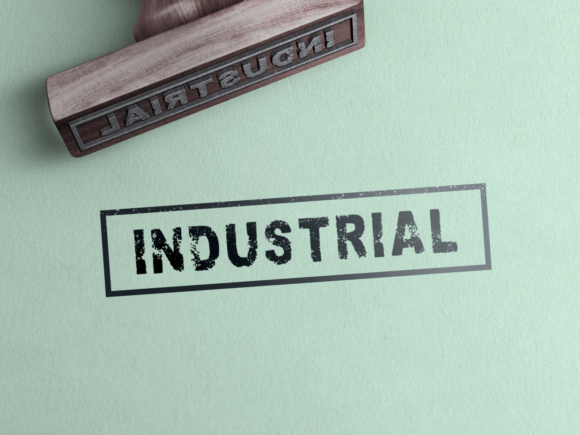
In a digital landscape saturated with sleek, vector-perfect typefaces, there is a distinct shift occurring. Designers and brand strategists are moving away from the sterile perfection of standard sans-serifs and toward typography that feels tactile, authentic, and human. This is where Industrial steps in. It is not merely another font file; it is a bold and timeless display font that mimics the stamp effect on envelopes and pancakes. Its letters have just the right amount of roughness to create the desired effect with a natural look. This font looks best used for headings and logos, serving as a bridge between the gritty reality of physical production and the polished demands of modern marketing.
Why Imperfection Matters in Modern Design
The evolution of visual communication has taken an interesting turn. For years, the industry chased "pixel perfection," resulting in designs that looked identical across every screen and print medium. While consistency is valuable, it often comes at the cost of character. Today's audience, particularly those aged 20 to 50 who make up the core of the creator economy and small business sector, craves authenticity. They can smell a mass-produced, generic design from a mile away. They want brands that feel like they were made by people, not just algorithms.
Industrial answers this call by embracing the flaws inherent in physical stamping. When you press a rubber stamp onto paper, ink spreads slightly, edges become uneven, and the texture of the substrate affects the final image. This font captures that specific aesthetic without requiring actual physical tools. By incorporating that "roughness" digitally, it allows creators to inject a sense of history and weight into their projects. Whether you are a freelancer designing a portfolio or a business owner rebranding your startup, using a typeface that suggests manual craftsmanship can instantly elevate the perceived value of your work.
The Evolution of the "Stamp" Aesthetic
The stamp effect is not new; it has roots in postal history and industrial labeling. However, its application in contemporary graphic design has evolved significantly. In the past, this style was often reserved for retro-themed projects or niche artistic endeavors. Today, it fits seamlessly into broader trends focused on sustainability, localism, and artisanal quality. Consumers are increasingly drawn to products and services that emphasize origin and process. A logo designed with the Industrial font signals that a brand cares about the details, much like a baker caring about the texture of their pancake batter or a postmaster caring about the clarity of a delivery stamp.
This shift reflects a broader change in user expectations. People are tired of the flat, two-dimensional look of early web design. They want depth. They want to feel the texture of the content before they even click. By utilizing a font that mimics the imperfections of a physical stamp, designers can create a subconscious connection to the tangible world. It grounds digital experiences in reality, making them feel more trustworthy and substantial.
Practical Applications for Professionals and Creators
So, how does one effectively integrate Industrial into a workflow? The key lies in understanding its primary strength: impact. Because of its bold nature and textured appearance, this font is not suitable for body text or long-form articles. Instead, it shines when used for headlines, logotypes, and short, punchy statements. It acts as a visual anchor, grabbing attention immediately and setting the tone for the rest of the design.
- Branding and Logos: For entrepreneurs looking to establish a strong identity, a logo using Industrial can convey reliability and grit. It works exceptionally well for businesses in construction, manufacturing, food service, or any sector where durability and hands-on work are central themes.
- Marketing Materials: In social media graphics, posters, and flyers, this font cuts through the noise. The rough edges ensure that the text stands out against clean backgrounds or busy photography. It adds a layer of personality that standard fonts simply cannot achieve.
- Editorial Design: Bloggers and educators can use this typeface for section headers or pull quotes. It breaks up the monotony of standard typography and invites the reader to pause and engage with the content.
The versatility of Industrial extends beyond just the visual style. Its structure remains legible despite the textural effects, ensuring that the message is not lost in the aesthetics. This balance is crucial for professionals who need to communicate complex ideas clearly while maintaining a strong visual identity. It proves that you do not have to sacrifice readability for style.
Integrating Trend Awareness into Your Workflow
As we navigate a market driven by rapid technological shifts, staying relevant requires a keen eye on what resonates with audiences. The trend toward "analog in a digital world" is gaining momentum. People are seeking ways to disconnect from the hyper-polished digital sphere and reconnect with something more organic. Fonts like Industrial facilitate this by bringing the warmth of analog processes into digital files.
For marketers and content creators, this means adapting their strategies to include elements of texture and imperfection. It is no longer enough to just have a great product; the presentation must reflect the values of the target audience. If your audience values transparency and hard work, a sleek, futuristic font might feel disconnected. However, a bold, stamped-style typeface aligns perfectly with those values. It tells a story before the user even reads the copy.
Making the Right Choice for Your Project
Selecting the right typography is one of the most critical decisions in any design project. With so many options available, it is easy to get overwhelmed. However, focusing on the specific needs of your project can simplify the process. Ask yourself: What emotion do I want to evoke? What story am I trying to tell?
If the answer involves strength, history, or a hands-on approach, then Industrial is likely the perfect fit. Its ability to mimic the stamp effect on envelopes and pancakes provides a unique narrative hook. It suggests that the brand has been around, that it has handled real-world tasks, and that it takes pride in its output. This is a powerful message for businesses looking to build trust and loyalty.
Furthermore, the font's adaptability ensures it remains useful as trends evolve. While fashion changes, the appreciation for genuine craftsmanship endures. By choosing a typeface that celebrates the natural look of imperfect stamps, designers future-proof their work against the fleeting whims of ultra-minimalist trends. It offers a timeless quality that will remain effective for years to come.
Final Thoughts on Typography and Impact
In conclusion, the choice of font is never trivial. It is a fundamental building block of communication that shapes how audiences perceive your message. Industrial represents a thoughtful response to the current demand for authenticity and texture. It is a tool that allows professionals, creators, and businesses to stand out in a crowded marketplace by embracing the beauty of the rough and the real.
Whether you are designing a logo for a new bakery, creating a poster for a community event, or updating your personal blog, consider the power of a font that feels alive. Let the letters carry the weight of their own history. Use Industrial to create designs that don't just look good but feel significant. In a world of digital noise, sometimes the most effective way to be heard is to sound like you were stamped right here, right now.