Loving Font: The Perfect Blend of Elegance and Modernity for Your Creative Projects
In the ever-evolving landscape of digital design, finding a typeface that strikes the perfect balance between classic charm and contemporary flair can be a challenge. Designers often search for a font that feels both timeless and fresh, capable of elevating a simple logo or transforming a standard invitation into a work of art. Enter Loving Font, a beautiful and delicate script typeface that has quickly become a favorite among creatives worldwide. With its classy, elegant, and modern look, Loving is not just another font; it is a versatile tool designed to bring sophistication to logos, branding, invitations, stationery, wedding designs, social media posts, and much more.
Whether you are a seasoned graphic designer looking to add a touch of luxury to your portfolio or a small business owner wanting to create memorable branding materials, understanding the unique capabilities of Loving is essential. This article will guide you through everything you need to know about this exquisite typeface, from its visual characteristics to its technical advantages, ensuring you can use it with confidence and creativity.
Understanding the Essence of Loving Font
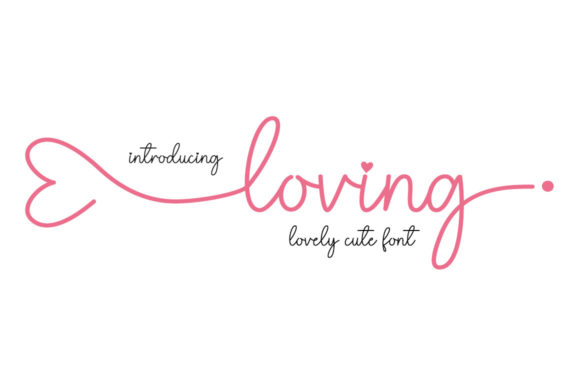
At first glance, Loving Font captures the eye with its fluid strokes and graceful curves. It is a script font that mimics the natural flow of handwriting but refines it to a level of polish that is ideal for professional applications. Unlike rough, handwritten styles that can appear messy or informal, Loving maintains a high degree of structure while retaining the warmth and personality of human touch.
The "delicate" nature of this font is one of its defining features. It is not heavy or bold; instead, it relies on thin lines and subtle variations in stroke weight to convey elegance. This makes it particularly effective for designs where space is limited or where the text needs to complement rather than overpower other visual elements. When paired with clean sans-serif fonts or minimalist imagery, Loving creates a harmonious composition that feels both luxurious and approachable.
The "modern" aspect of Loving sets it apart from traditional calligraphy scripts that might feel dated or overly ornate. It incorporates contemporary spacing and ligature rules that ensure readability even at smaller sizes. This adaptability is crucial in today's fast-paced digital environment, where a design must look equally stunning on a large billboard as it does on a mobile phone screen.
Why Elegance Matters in Design
Elegance is more than just a stylistic choice; it is a psychological trigger. In branding and marketing, an elegant font like Loving communicates quality, attention to detail, and exclusivity. When potential customers see a logo or invitation featuring this typeface, they subconsciously associate the brand with high standards and refined taste. This is why Loving is so frequently chosen for wedding designs and luxury stationery.
However, elegance should never come at the cost of clarity. One of the common misunderstandings about script fonts is that they are difficult to read. While some decorative scripts suffer from this issue, Loving is engineered to maintain legibility. Its clear letterforms and open counters (the spaces inside letters like 'a' or 'e') ensure that your message is received clearly, even when written in a flowing script style.
Practical Applications Across Industries
The versatility of Loving Font makes it applicable across a wide range of industries and use cases. Its ability to convey emotion and style allows it to fit seamlessly into various contexts, enhancing the overall impact of the project.
- Wedding Designs and Invitations: Perhaps the most popular use for Loving is in the wedding industry. Couples often seek fonts that reflect their love story with grace and romance. Loving provides the perfect backdrop for wedding invitations, save-the-dates, and ceremony programs. The delicate swashes add a romantic flourish without overwhelming the important details like dates and locations.
- Branding and Logos: For businesses in the beauty, fashion, lifestyle, and boutique sectors, a logo needs to be memorable yet sophisticated. Loving offers a unique identity that helps brands stand out. A bakery might use it for a custom logo that suggests artisanal quality, while a jewelry store could use it to emphasize the preciousness of their products.
- Social Media Content: In the age of Instagram and Pinterest, visuals are paramount. Social media posts featuring Loving Font tend to perform well because they catch the eye with their aesthetic appeal. Whether used for quote graphics, promotional banners, or event announcements, Loving adds a layer of professionalism that generic fonts often lack.
- Stationery and Corporate Identity: Letterheads, business cards, and envelopes designed with Loving leave a lasting impression. They signal to clients and partners that the company values aesthetics and presentation. This is particularly effective for creative agencies, consultants, and service providers who want to project a polished image.
The Technical Advantage: PUA Encoding Explained
While the visual appeal of Loving Font is undeniable, its true power lies in its technical architecture. Specifically, Loving is PUA encoded. To understand why this matters, we must first clarify what PUA encoding means in the context of typography.
PUA stands for Private Use Area. In standard Unicode character sets, there are limited slots available for specific characters, especially for specialized glyphs like swashes, alternates, and ligatures found in script fonts. Many font creators have to rely on complex keyboard shortcuts or special software plugins to access these extra characters, which can be frustrating and time-consuming for users.
Because Loving is PUA encoded, all of its glyphs and swashes are mapped to specific, accessible keys on your keyboard. This means you do not need to hunt through obscure menus or install additional tools to access the full range of the font's features. You can simply type the corresponding character code or select the glyph from a dedicated panel, depending on your software, and the correct swash or alternate appears instantly.
How PUA Encoding Enhances Workflow
This feature significantly streamlines the design process. Imagine working on a wedding invitation where you need to connect two names with a beautiful swash. With a non-PUA encoded font, you might struggle to find the right connection point. With Loving, accessing these swashes is effortless, allowing you to experiment with different combinations until you find the perfect fit.
This ease of access encourages creativity. Designers are more likely to explore the full potential of the font when they aren't hindered by technical barriers. You can mix and match initial caps, end caps, and connecting swashes to create unique typographic layouts that look hand-crafted but were produced efficiently.
- Efficiency: Save hours of manual adjustment by having direct access to every glyph.
- Consistency: Ensure that your designs maintain a uniform style across multiple pages or projects.
- Flexibility: Adapt the font to any language or script requirement supported by the PUA mapping.
Building a Broader Understanding of Typography
Choosing the right font is about more than just picking something that looks nice; it is about understanding how typography functions within a broader ecosystem of communication. Loving Font serves as an excellent example of how modern technology can preserve traditional art forms. Script fonts have been used for centuries to convey personal messages and formal declarations. By digitizing this style with precision and adding modern conveniences like PUA encoding, Loving bridges the gap between the past and the future.
For beginners, learning to use Loving is a great way to develop an eye for detail. It teaches the importance of kerning (the spacing between individual characters) and leading (the vertical spacing between lines). Because script fonts are inherently connected, paying attention to these details is crucial to prevent the text from looking tangled or cramped.
Experienced designers, on the other hand, appreciate the nuance of Loving's execution. The way the font handles transitions between thick and thin strokes demonstrates a high level of craftsmanship. It respects the rules of calligraphy while adapting them for the constraints of digital screens and print media.
Avoiding Common Pitfalls
Even with a superior font like Loving, there are common mistakes to avoid. One frequent error is overusing script fonts. Using Loving for entire paragraphs of text can make reading difficult and visually exhausting. Instead, use it for headings, titles, or short phrases where its decorative qualities can shine.
Another pitfall is ignoring contrast. If you pair Loving with another highly decorative font, the result can be chaotic. The best practice is to pair Loving with a neutral, clean font. This contrast allows the script to act as the star of the show while the supporting text remains easy to read. This balance is key to achieving a professional look.
Conclusion: Elevate Your Creativity with Loving
In conclusion, Loving Font represents the pinnacle of modern script typography. Its combination of a beautiful, delicate aesthetic with the practical functionality of PUA encoding makes it an indispensable asset for anyone involved in design, branding, or creative writing. From the intimate setting of a wedding invitation to the broad reach of a social media campaign, Loving brings a sense of class and elegance that resonates with audiences.
By understanding the significance of this font and how to utilize its features effectively, you can elevate your projects to new heights. Whether you are creating a logo that defines a brand's identity or designing stationery that leaves a lasting impression, Loving Font provides the perfect foundation for success. Embrace the elegance of Loving and let your creativity flow with confidence.