Winjaga: How a Cute and Quirky Handwritten Font Can Transform Your Creative Projects
In the digital age, where pixel-perfect precision often reigns supreme, there is a growing desire for warmth, personality, and human connection. This is where typography plays a pivotal role. Among the vast array of typefaces available today, one name stands out for its unique charm and ability to inject happiness into visual communication: Winjaga. If you have ever felt that your designs were too sterile or lacked a personal touch, this beautiful handwritten font might be exactly what you need.
Winjaga is not just another typeface; it is a design element designed to add an incredibly joyful touch to your creative ideas. Whether you are a graphic designer, a small business owner, a teacher, or a hobbyist, understanding how to leverage this quirky font can elevate your work from ordinary to extraordinary. Let us explore what makes Winjaga special, why it matters in modern design, and how you can integrate it into your daily activities to make your projects truly stand out.
What Exactly Is Winjaga?
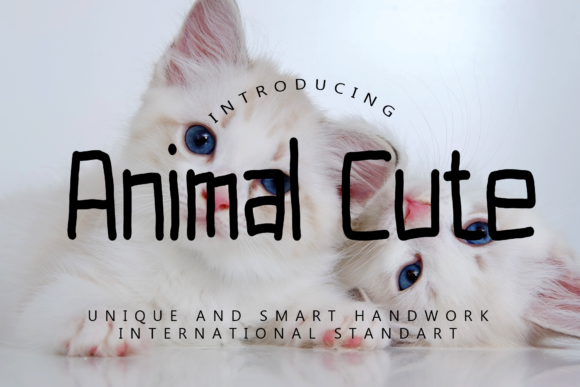
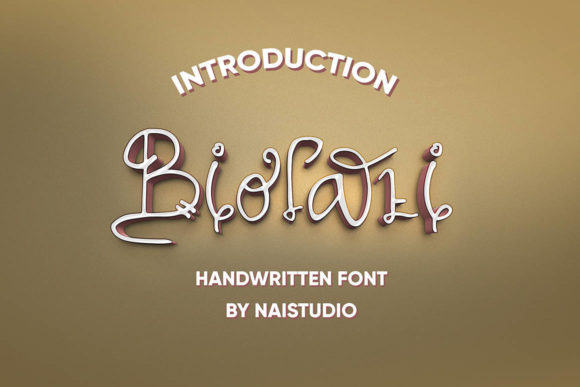
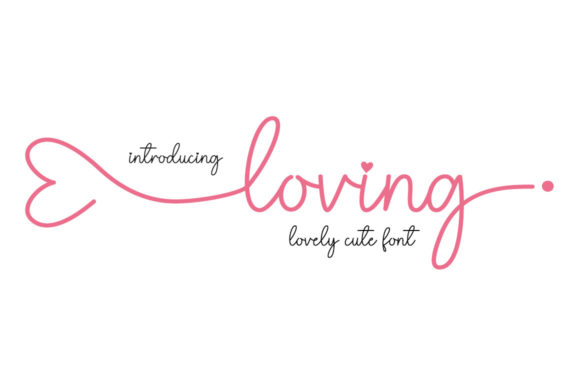
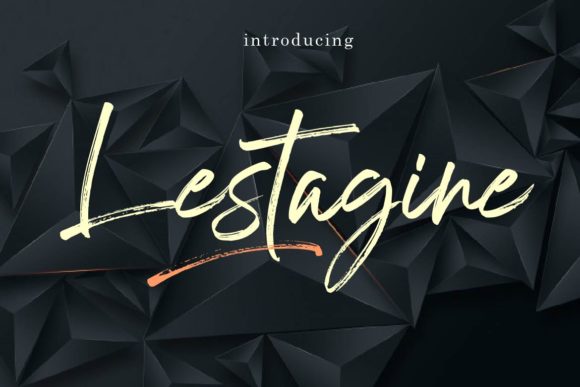
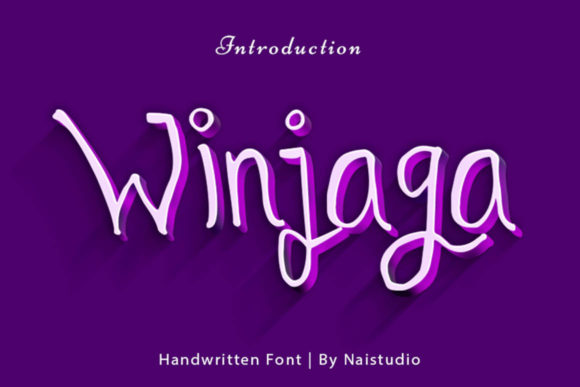
To understand the value of Winjaga, we must first look at its origins and characteristics. As a handwritten font, Winjaga mimics the natural flow of ink on paper. Unlike rigid sans-serif fonts that prioritize readability above all else, or elegant serif fonts that convey tradition, Winjaga embraces imperfection. It features variable stroke widths, playful curves, and a distinct personality that feels like it was written by a friend with a bright smile.
The "quirky" nature of the font comes from its irregularities. Letters might lean slightly, loops might be exaggerated, and spacing may vary to create a sense of movement. This lack of uniformity is intentional. In a world dominated by standardized digital interfaces, Winjaga breaks the mold. It brings a sense of spontaneity and creativity that standard fonts simply cannot replicate. When you use Winjaga, you are essentially inviting the viewer to feel something genuine and unpolished in a curated way.
The Psychology of Playful Typography
Why does a cute font matter? The answer lies in the psychology of color and form. Humans are wired to respond to organic shapes and familiar patterns. When we see a font that looks hand-drawn, our brains interpret it as more authentic and trustworthy. This is particularly relevant in marketing and branding, where establishing a connection with the audience is paramount.
Winjaga leverages this psychological response by adding an incredibly joyful touch to any composition. It signals approachability. For instance, consider a bakery website. A sleek, corporate font might suggest efficiency, but Winjaga suggests fresh cookies, homemade recipes, and a welcoming atmosphere. It tells the customer, "We care about the details, and we want you to have fun."
This emotional resonance is crucial for designers looking to evoke specific feelings. By choosing Winjaga, you are making a statement that your project is lighthearted, creative, and focused on positive emotions. It transforms a simple headline into a conversation starter.
How Winjaga Fits Into Modern Life and Work
The relevance of a font like Winjaga extends far beyond aesthetic preferences; it fits seamlessly into various aspects of modern life, work, and education. Here is how this versatile tool is being utilized across different sectors:
- Small Business Branding: Local coffee shops, boutique clothing stores, and artisanal crafters often struggle to compete with big corporations. Using Winjaga in their logos, packaging, and social media graphics helps them appear friendly and community-focused. It creates a "boutique" feel that large chains cannot easily mimic.
- Educational Materials: Teachers and educators know that learning should be engaging. Worksheets, classroom posters, and presentation slides featuring Winjaga can reduce anxiety and make complex topics feel more accessible. The playful nature of the font captures the attention of students and makes the material feel less intimidating.
- Creative Technology: Even in the tech sector, there is a shift towards "humanizing" software. Apps for mental health, meditation, or creative hobbies often use handwriting fonts to soften the user interface. Winjaga can serve as the perfect choice for app buttons or welcome screens, reducing the coldness of technology.
- Digital Content Creation: Bloggers and content creators use Winjaga to highlight quotes, emphasize key points, or design custom thumbnails. It adds a layer of professionalism that still feels personal, helping content stand out in crowded feeds.
Practical Applications: Where to Use Winjaga
Now that we understand the potential of Winjaga, let us discuss practical ways to incorporate it into your own creative workflow. The key is balance. While Winjaga is powerful, it is most effective when used strategically rather than excessively.
- Headlines and Titles: The primary strength of Winjaga is its ability to grab attention. Use it for main headlines on websites, book covers, or event invitations. Its quirky shape ensures that the reader stops scrolling and looks at your message.
- Call-to-Action Buttons: Standard buttons can be boring. Adding Winjaga to a "Sign Up," "Buy Now," or "Learn More" button can increase click-through rates by making the action feel like an invitation rather than a command.
- Personalized Greetings: Email newsletters and direct mail campaigns benefit greatly from handwritten styles. A subject line written in Winjaga feels like a personal note from a friend, increasing open rates and engagement.
- Event Invitations: From birthday parties to weddings, Winjaga is ideal for printed and digital invitations. It sets the tone for the event immediately, suggesting a celebration filled with joy and fun.
- Social Media Graphics: Instagram stories and Pinterest pins thrive on visual interest. Overlaying text in Winjaga on top of photos can turn a standard image into a shareable piece of art.
Common Misunderstandings About Handwritten Fonts
Despite its benefits, there are some misconceptions about using fonts like Winjaga. One common assumption is that handwritten fonts are difficult to read. While it is true that highly decorative scripts can sometimes compromise legibility, Winjaga is designed with clarity in mind. It strikes a delicate balance between style and readability, ensuring that your message is received without confusion.
Another misunderstanding is that these fonts are only suitable for "fun" or childish projects. This could not be further from the truth. A well-chosen handwritten font can convey sophistication in the right context, such as a luxury brand wanting to show a human side, or a high-end restaurant menu aiming for a rustic, farm-to-table vibe. The key is pairing Winjaga with complementary fonts and colors that enhance its character without overwhelming it.
Maximizing Impact: Tips for Design Success
To get the most out of Winjaga, consider the following best practices. First, always test your design in different sizes. A font that looks great on a large poster might become illegible on a mobile screen. Ensure that the quirky details remain visible even when scaled down.
Second, pay attention to contrast. Because Winjaga has varying stroke weights, it pairs exceptionally well with clean, minimalist sans-serif body text. This combination allows the headline to shine while keeping the detailed information easy to scan. Think of Winjaga as the star of the show, supported by a reliable ensemble cast.
Finally, don't be afraid to experiment. Since Winjaga is inherently flexible, try rotating letters, changing colors, or combining it with illustrations. The goal is to notice how it makes your creative ideas stand out. When you add this beautiful handwritten font to each of your projects, you will likely find that they gain a new level of depth and emotion.
Conclusion: Embrace the Joy of Winjaga
In conclusion, Winjaga represents more than just a collection of letterforms; it is a tool for emotional expression. In a digital landscape that often feels impersonal and automated, this cute and quirky handwritten font offers a refreshing alternative. It reminds us that design is not just about conveying information, but about creating experiences.
By integrating Winjaga into your designs, you are making a conscious decision to bring joy, warmth, and authenticity to your work. Whether you are launching a new business, creating educational resources, or simply expressing yourself creatively, this font has the power to transform your vision. So, take a moment to explore Winjaga, add it to your toolkit, and watch as your designs come alive with a unique and unforgettable spirit. Let your creativity flow, and let Winjaga help you tell your story in the most joyful way possible.