New Kids on the Font: A Comprehensive Evaluation
In the landscape of digital typography, selecting the right typeface is often a critical decision that defines the tone and readability of a project. New Kids on the Font has emerged as a specific option for designers and educators seeking a distinct aesthetic. This typeface is categorized primarily as a display font, characterized by its cute and colorful design elements. It embodies playfulness and authenticity, making it a candidate for various creative applications. However, like any typographic tool, it serves specific purposes better than others. This article provides an objective evaluation of New Kids on the Font, exploring its characteristics, benefits, limitations, and ideal use cases to help readers determine if it aligns with their specific needs.
Understanding the Typeface Design
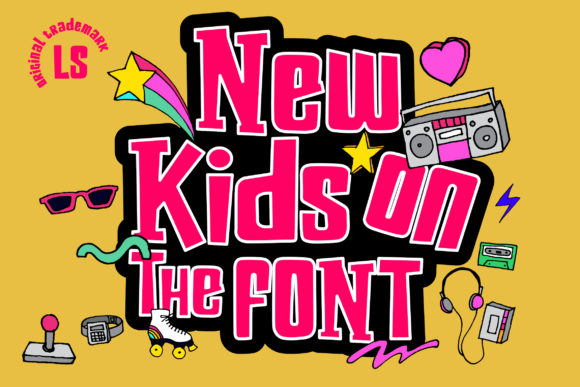
New Kids on the Font is not designed for extended body text or formal documentation. Instead, it falls into the display category, meaning it is optimized for short bursts of text such as headlines, titles, posters, and logos. The visual identity of this font is defined by its rounded edges, varied stroke widths, and a generally whimsical structure. The "cute" descriptor refers to the soft, approachable nature of the letterforms, which avoid sharp angles in favor of curves that feel friendly and inviting.
The attribute of color mentioned in its description suggests that this font may be available in vibrant variations or is intended to be paired with bright color palettes. When rendered correctly, the font conveys a sense of authenticity that feels unpretentious and genuine. This distinguishes it from more rigid or overly stylized novelty fonts that can appear forced or artificial. The design intent is to evoke a feeling of childhood innocence without sacrificing legibility at larger sizes.
Reasons for Interest in New Kids on the Font
Designers and content creators often search for typefaces that can instantly communicate a mood. The primary reason individuals evaluate New Kids on the Font is its ability to establish a playful atmosphere immediately. In a digital environment saturated with neutral sans-serifs and serif classics, a font with personality can capture attention effectively.
- Visual Distinctiveness: The unique shapes of the letters make the text stand out in a crowded feed or presentation slide.
- Emotional Connection: The authentic and cute style fosters a sense of warmth and approachability, which is valuable for brands targeting families or youth.
- Thematic Consistency: For projects centered around creativity, arts, or learning, this font reinforces the subject matter through its very form.
Furthermore, the font's versatility within the "display" realm allows it to be used across different media, from printed materials to web headers, provided the context remains appropriate.
Benefits and Practical Applications
When utilized correctly, New Kids on the Font offers several advantages. Its most significant benefit is its capacity to simplify complex messages by adding a layer of friendliness. This is particularly useful in educational settings where reducing anxiety and increasing engagement are priorities.
The following scenarios represent situations where this font is a strong fit:
- Children's Activities: Flyers, worksheets, and event invitations for parties, camps, or workshops benefit from the font's energetic vibe.
- School Projects: Student presentations, science fair boards, and classroom decorations can utilize the font to make information feel accessible and fun.
- Brand Identity for Youth Markets: Companies selling toys, snacks, or educational tools might use this font for logo markups or promotional banners to signal their target demographic.
- Personal Creative Work: Blogs, journals, or social media graphics focused on hobbies and personal expression often thrive with such expressive typography.
In these contexts, the font acts as a visual cue that tells the reader to relax and engage with the content in a lighthearted manner.
Tradeoffs and Considerations
Despite its charm, New Kids on the Font comes with inherent tradeoffs that must be weighed before selection. The most critical limitation is its lack of suitability for long-form reading. Display fonts are rarely optimized for small point sizes or dense paragraphs. Attempting to use this typeface for body copy can result in rapid eye fatigue and reduced comprehension.
Additionally, the "colorful" aspect requires careful management. If the font itself relies on multiple colors or gradients, it may complicate printing processes, especially for black-and-white documents. Designers must ensure that the color choices do not clash with the background or other graphical elements. There is also the risk of overuse; because the font is so distinctive, using it too frequently can dilute its impact and make the design appear chaotic rather than cohesive.
Another consideration is the perception of professionalism. While "authentic," the font may undermine authority in serious contexts. Using New Kids on the Font for legal disclaimers, financial reports, or corporate announcements would likely be inappropriate and could damage credibility.
When Alternatives May Be Worth Considering
While New Kids on the Font excels in specific niches, it is not a universal solution. Readers should consider alternatives when their goals prioritize clarity, neutrality, or scalability.
If the project requires a modern, clean look that does not lean heavily into nostalgia or playfulness, a geometric sans-serif or a humanist typeface might be a better choice. For instance, a tech startup or a healthcare provider would generally benefit from fonts that convey stability and precision rather than whimsy. Similarly, if the design system demands a wide range of weights (from light to bold) to create hierarchy, one must verify that New Kids on the Font offers sufficient variation. Many display fonts have limited weight options, which can restrict design flexibility.
Furthermore, accessibility is a major factor. Fonts with highly decorative features can sometimes reduce readability for users with visual impairments or dyslexia. In such cases, a simpler, high-contrast typeface is the responsible choice to ensure inclusive communication.
Practical Decision-Making Insights
To determine whether New Kids on the Font aligns with your goals, start by defining the primary emotion you wish to evoke. Ask yourself if the audience expects a formal interaction or a casual, engaging experience. If the answer leans towards the latter, and the content is short, this font is a viable candidate.
It is also essential to test the font in its actual context. Preview the typeface at the intended size and alongside other design elements. Does it maintain legibility? Does it complement the imagery, or does it compete for attention? A practical test involves creating a mockup of the final product—whether a website header or a poster—to see how the font performs in a real-world scenario.
Finally, consider the longevity of the design. Trends change, and while a cute font may be popular now, will it still feel relevant in a year or two? If the project is time-sensitive, such as a seasonal campaign, the trendiness of New Kids on the Font is an asset. For evergreen content, a more timeless display font might be safer.
Conclusion
New Kids on the Font stands out as a specialized tool for designers looking to inject playfulness and authenticity into their work. Its cute and colorful nature makes it perfectly suited for children's activities, school projects, and brands targeting younger audiences. However, its utility is bounded by its display-only nature and the need for careful contextual application. By understanding its strengths and acknowledging its limitations, users can make informed decisions that enhance their projects without compromising readability or professional standards.